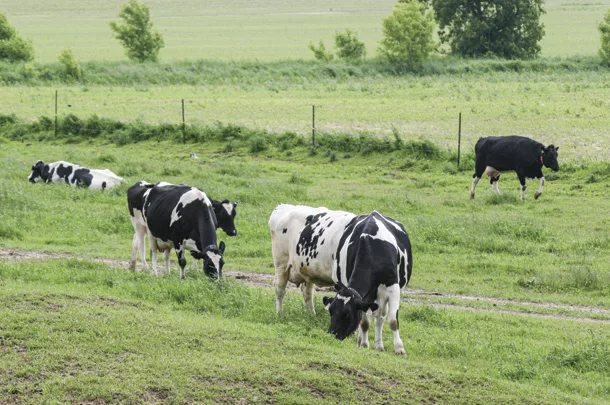
Healthy cows produce healthy milk, and the quality of milk starts with proper nutrition. While many dairy farmers focus on commercial feed, the foundation of high milk production lies in providing fresh, nutrient-rich green fodder. Choosing the right grass not only improves milk yield but also enhances milk quality, animal health, and farm profitability.
Why Green Fodder Matters
Green fodder is rich in essential nutrients, fiber, vitamins, and minerals that support digestion, strengthen immunity, and improve reproductive health. Cows that consume a balanced diet of fresh forage generally produce more milk with better fat and protein content while remaining healthier throughout their productive life.
Top 5 Grasses for Better Milk Production
1. Hybrid Napier Grass
Hybrid Napier is one of the most widely recommended fodder grasses for dairy farming due to its exceptional yield and nutritional value.
Benefits:
- High green fodder production throughout the year
- Rich source of energy
- Improves daily milk yield
- Multiple harvests every 45–60 days
- Ideal for tropical climates
2. Lucerne (Alfalfa)
Lucerne is known as the “Queen of Fodder” because of its high protein content.
Benefits:
- Contains 18–22% protein
- Improves milk fat and protein percentage
- Rich in calcium and vitamins
- Excellent for lactating dairy cows
3. Maize Fodder
Maize fodder provides easily digestible carbohydrates that help increase milk production.
Benefits:
- High energy content
- Excellent for silage preparation
- Supports higher milk yield
- Highly palatable for cows
4. Guinea Grass
Guinea grass is a nutritious tropical grass suitable for grazing and cut-and-carry systems.
Benefits:
- Soft leaves with good digestibility
- High biomass production
- Performs well in warm climates
- Supports consistent milk production
5. Berseem
Berseem is one of the best winter fodder crops and is highly nutritious.
Benefits:
- High protein content
- Excellent digestibility
- Increases milk production
- Improves animal health during winter
The Secret: A Balanced Fodder Diet
No single grass can provide all the nutrients required by a dairy cow. The best milk production comes from feeding a balanced combination of:
- 60–70% Green Fodder: Hybrid Napier, Maize, Guinea Grass
- 20–30% Protein-Rich Legumes: Lucerne or Berseem
- Quality dry fodder such as hay
- Concentrate feed based on milk production
- Mineral mixture and salt supplements
- Unlimited access to clean drinking water
Tips to Improve Milk Naturally
- Harvest fodder at the right growth stage for maximum nutrition.
- Rotate different fodder crops throughout the year.
- Prepare silage for summer and drought periods.
- Avoid moldy or spoiled fodder.
- Ensure cows always have access to fresh, clean water.
- Regularly provide mineral supplements to prevent nutritional deficiencies.
Organic Dairy Farming Starts with Better Fodder
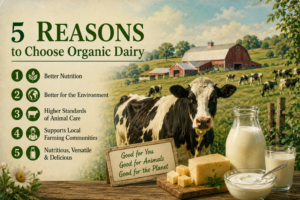
For farmers practicing organic or natural dairy farming, growing your own fodder reduces feed costs and ensures chemical-free nutrition for your animals. Combining Hybrid Napier with Lucerne provides an excellent balance of energy and protein, helping improve milk production naturally while promoting healthier cows and more sustainable farming.
Better milk begins with better nutrition. Selecting the right fodder grasses is one of the most effective ways to improve milk yield, enhance milk quality, and maintain healthy dairy animals. Whether you’re managing a small family dairy or a commercial farm, investing in high-quality green fodder is an investment in long-term productivity and profitability.
A healthy cow fed with nutritious green fodder will always reward the farmer with better milk, improved health, and greater returns.